Introduction: RTP Basics for Progressive Slots
Progressive jackpot RTP confuses even experienced players because the numbers do not behave intuitively. A progressive slot might publish a base RTP of 92%, significantly lower than non-progressive alternatives offering 96% or higher. At first glance, this looks like a worse deal. But that comparison misses how progressive jackpots fundamentally change the return calculation.
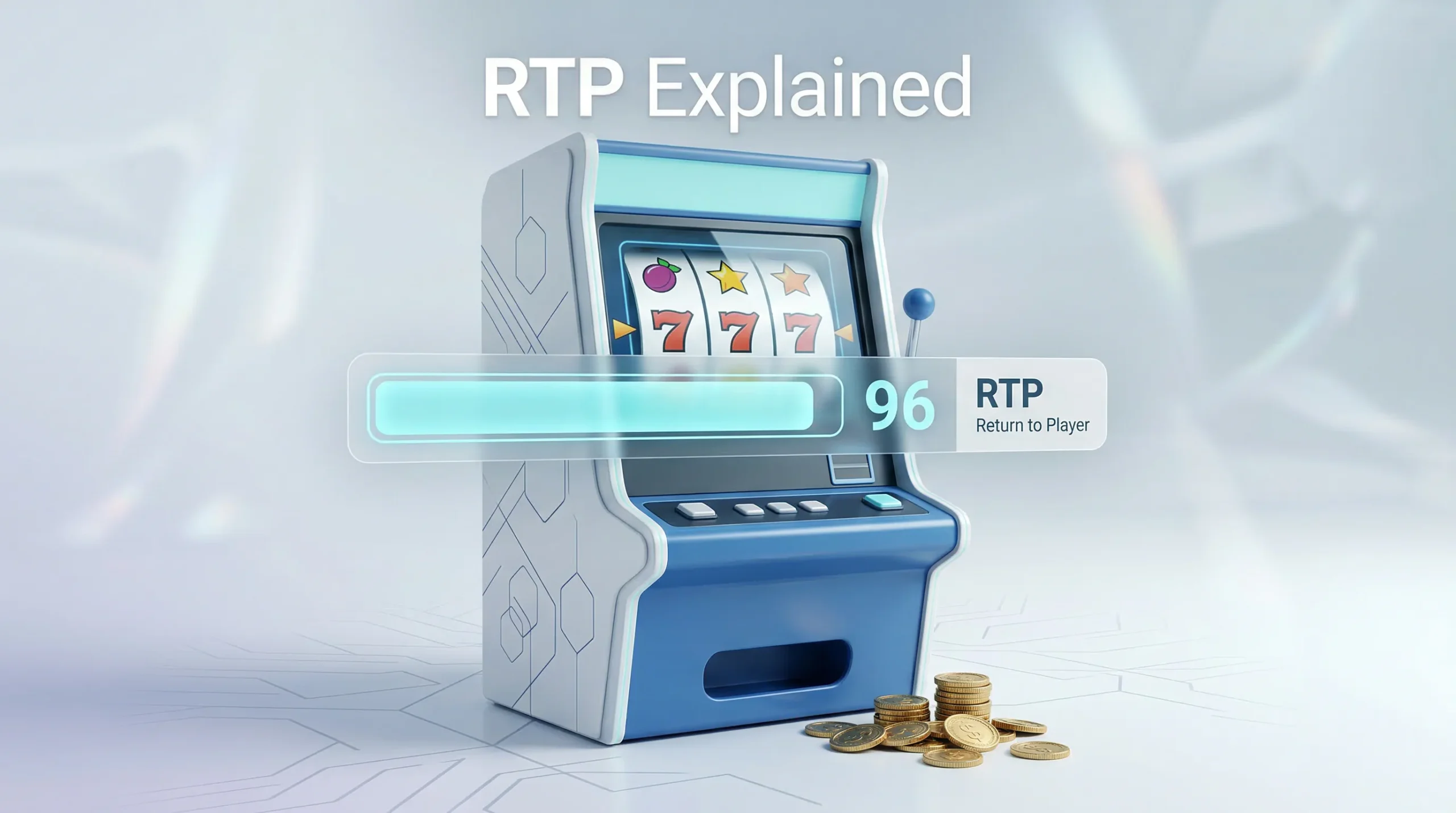
Return to Player percentage represents the theoretical long-term payback of a slot machine: the portion of total wagers that returns to players over millions of spins. A 95% RTP means $95 of every $100 wagered theoretically returns to players, with the remaining $5 representing the house edge. For standard slots, this calculation is relatively straightforward. For progressives, the mathematics become more complex because jackpot contributions create a moving target.
The sweepstakes casino industry has grown to gross revenues exceeding $10.6 billion, according to KPMG’s analysis. Much of that activity occurs on progressive games despite their seemingly unfavorable RTP numbers. Understanding why requires examining how contribution rates, effective RTP, and different progressive structures interact.
How Contribution Rate Affects RTP
Every progressive slot takes a portion of each wager and directs it into the jackpot pool rather than returning it through regular gameplay. This is the contribution rate, typically ranging from 1% to 5% of each bet depending on the game. That diverted percentage explains why progressive base RTPs run lower than comparable non-progressive slots.
Consider a progressive with 94% base RTP and 3% contribution rate. Of each dollar wagered, 94 cents potentially returns through regular wins, 3 cents feeds the jackpot pool, and 3 cents represents the house edge. The base RTP does not include jackpot returns because jackpots do not hit on every spin or even during most sessions. They accumulate until someone triggers them.
The contribution rate creates a direct relationship between base RTP and jackpot growth potential. Higher contribution rates mean faster-growing jackpots but lower base game returns. Lower contribution rates preserve more base game RTP but generate smaller jackpots that accumulate more slowly. Game designers balance these factors based on target player preferences.
Tiered progressives complicate this further. A game with Mini, Minor, Major, and Grand jackpots might allocate different contribution percentages to each tier. The Mini jackpot might receive 1.5% of each wager, while the Grand jackpot receives 0.5%. This structure produces frequent small wins alongside rare massive prizes, with the combined contribution rate still reducing base RTP below non-progressive alternatives.
Some progressives disclose contribution rates in their game rules or paytables. Others keep this information proprietary. When disclosed, these rates help players understand exactly where their wagers go and what tradeoffs they accept by playing progressives over standard slots. When undisclosed, players can only observe relative jackpot growth rates to estimate contribution structures.
The contribution rate also varies between network and standalone progressives. Network progressives pool contributions from multiple games, potentially across multiple casinos. This aggregation accelerates jackpot growth but distributes competition more broadly. Standalone progressives keep contributions isolated to individual games, creating smaller pools with clearer visibility into accumulation dynamics.
Base RTP vs Effective RTP
Published RTP figures for progressive slots often include the jackpot contribution in their calculations. A game might advertise 96% RTP when 94% comes from base-game returns and 2% represents the theoretical value of jackpot wins. This creates a misleading impression of what typical sessions produce.
Base RTP describes returns from regular gameplay excluding jackpots. This is what you actually experience during the vast majority of sessions. If you never hit a progressive jackpot, base RTP represents your complete return picture. For most players playing most progressives, this will be reality. The jackpot-inclusive figure sounds better but reflects a scenario most individual players will never experience.
Effective RTP incorporates your actual probability of winning jackpots you are competing for. If a progressive jackpot hits once per 50 million spins on average, and you plan to make 5,000 spins, your personal jackpot probability approaches zero for practical purposes. The theoretical jackpot contribution to RTP becomes meaningless to your expected outcome. You are essentially playing a 94% RTP game with no realistic jackpot upside.
The gap between published RTP and effective RTP widens with larger jackpots. Massive network progressives might have one-in-100-million trigger odds. The jackpot contribution to published RTP might be substantial, but no individual player reasonably expects to capture it. For those players, base-game RTP is the only relevant metric.
Smaller progressives with more frequent triggers narrow this gap. If a must-drop daily jackpot hits once per day among perhaps 100,000 eligible spins, your odds of winning become meaningful over extended play. The jackpot contribution to RTP actually affects your expected experience. When jackpots trigger frequently enough, the theoretical and practical returns converge.
The distinction between base and effective RTP should inform game selection. Players who want entertainment value from growing jackpot meters without realistic win expectations can focus on headline jackpot sizes. Players who want mathematically meaningful jackpot opportunities should examine trigger frequencies alongside prize amounts. Both approaches are valid; they simply optimize for different outcomes.
Comparing RTP Across Progressive Types
Standalone progressives typically offer the best effective RTP for regular players. Their jackpots stay smaller because only one game feeds the pool, which means they trigger more frequently relative to player volume. The contribution rate is often lower as well, preserving more of each bet for base-game returns.
Network progressives present the opposite profile. Large player bases create massive jackpots but correspondingly rare triggers. The published RTP might look competitive, but effective RTP for any individual player drops significantly when jackpot win probability approaches statistical irrelevance.
Must-drop progressives occupy interesting middle ground. The guaranteed trigger before a deadline makes jackpot wins more achievable for active players. If you know a daily jackpot must hit before midnight, and the pool has grown throughout the day without triggering, every remaining spin carries better odds than the same spin at midnight the previous day. This dynamic makes must-drop jackpot contributions more meaningful to effective RTP.
Social casino comparisons provide context. According to industry analysis, the social casino market generated $7.1 billion in gross revenues during 2024, operating with different return structures than sweepstakes platforms. Social casinos using pure play-money models can afford higher return rates since no real value leaves the system. Sweepstakes casinos, where Sweep Coins carry redemption value, must balance returns against actual payout obligations.
Within sweepstakes platforms specifically, RTP varies by game provider and platform. Some operators provide RTP information transparently in game rules or help sections. Others require players to dig through documentation. The lack of standardized disclosure makes comparison shopping difficult. Players committed to finding the best progressive RTP must invest research time that regulated casino players often take for granted.
RTP Isn’t Everything
Progressive jackpot RTP provides useful information but does not capture the complete picture. The published figure describes a theoretical average that includes jackpot wins most players will never experience. Base-game RTP and your personal jackpot probability matter more for setting realistic expectations.
None of this suggests avoiding progressive slots. Players choose progressives for the excitement of growing prizes and the possibility of life-changing wins, not for optimal expected value. Understanding RTP simply means making that choice with accurate information rather than misleading assumptions. The jackpot dream is real. So is the mathematics beneath it.