
Introduction: The 2025 Landscape
The National Council on Problem Gambling conducts ongoing research that tracks gambling behavior across the American population. The 2025 NGAGE survey results provide the most current data on problem gambling prevalence, demographic patterns, and the relationship between online gambling expansion and problematic behavior.
These statistics matter for sweepstakes casino players because the platforms operate at the intersection of online accessibility and gambling-like mechanics. Understanding broader problem gambling trends provides context for individual risk assessment and informs policy debates about how sweepstakes casinos should be regulated.
The NCPG findings reveal concerning patterns among younger demographics and online gamblers that directly relate to sweepstakes casino use. Players can use this information to evaluate their own relationship with gambling-like entertainment and recognize warning signs that might indicate developing problems.
NCPG 2025 Statistics — More on this topic at progressive sweep slots.
Key Findings by Age
Age disparities in problem gambling rates stand out as the survey’s most striking finding. According to the NCPG survey results, 15% of adults aged 18-34 reported problematic gambling behavior, compared to just 2% of those 55 and older. This sevenfold difference reflects generational patterns in gambling access and attitudes.
Younger adults have grown up with smartphones, online access, and gaming mechanics that normalize chance-based entertainment. Sweepstakes casinos fit naturally into digital habits that older generations did not develop. The accessibility that makes these platforms convenient also removes friction that might otherwise limit gambling behavior.
The 18-24 age group shows particular vulnerability. Young adults face developmental factors that affect risk assessment and impulse control. Combine these factors with easy access to gambling-like platforms, and the elevated problem rates become less surprising.
The low problem rate among older adults reflects different gambling histories. Those 55 and older encountered gambling primarily through physical casinos that required travel and planning. The barriers to access provided natural limits that online platforms eliminate.
Critics have noted that sweepstakes casinos may specifically target younger demographics through marketing approaches and platform design. Keith Whyte, former NCPG President, observed: “These are all customers the legal market can’t get to. Some of these companies we’re seeing much more youth-focused websites with youth-focused celebrities. When it looks like they’re trying to appeal to youths, that’s not by accident; that’s by design.”
The age pattern suggests that sweepstakes casino regulation should consider demographic targeting. Platforms that appeal specifically to younger users may pose greater population-level harm than those serving older demographics with lower baseline problem rates.
Gender Disparities
Problem gambling affects men at nearly double the rate of women according to NCPG data. Approximately 10% of men reported gambling problems compared to roughly 5% of women. This gender gap has persisted across multiple survey years, suggesting structural rather than temporary differences.
The disparity reflects different gambling patterns between genders. Men historically gambled at higher rates and in different contexts than women. While the gap has narrowed as gambling expanded, men remain overrepresented among those experiencing problems.
Online gambling has increased women’s participation more than men’s in percentage terms. The privacy and convenience of online platforms removed social barriers that limited women’s access to physical gambling venues. Sweepstakes casinos benefit from this trend while potentially exposing more women to gambling harm.
The types of games preferred differ by gender as well. Women disproportionately favor slot-style games that dominate sweepstakes casino offerings. This preference alignment means sweepstakes platforms may attract female players at higher rates than traditional casinos did.
Online Gambling Growth
Online gambling participation reached 22% of American adults in 2024, up from 15% in 2018. This growth reflects expanded access through legal sports betting, iGaming in some states, and sweepstakes casinos available nationwide. The trend shows no signs of reverting to earlier participation levels.
The correlation between online access and problem gambling rates appears in the data but requires careful interpretation. Online gamblers report higher problem rates than those who gamble only in physical venues. Whether online gambling causes problems or simply attracts those already prone to them remains debated.
Sweepstakes casinos contribute to online gambling growth while existing in regulatory gray space that traditional online gambling does not occupy. Players who would not create accounts at licensed online casinos may access sweepstakes platforms without the same hesitation.
The 28% of those gambling on 10 or more activities who reported problematic behavior reveals intensity as a risk factor. Multi-activity gamblers, who might use sweepstakes casinos alongside sports betting and other gambling, face elevated risk. Sweepstakes platforms can represent one component of problematic gambling portfolios.
Mobile access accelerates online gambling growth. Smartphones enable gambling anytime without the planning that physical casino visits require. Sweepstakes casinos designed for mobile use particularly capitalize on this always-available access.
Implications for Sweepstakes Players
Sweepstakes casino players should understand their demographic risk profiles when evaluating their own behavior. Young adults and men face elevated baseline risk that sweepstakes platform use does not reduce. Awareness of these patterns supports more informed decisions about participation.
The survey data does not establish that sweepstakes casinos are more dangerous than other gambling forms. However, the platforms share characteristics associated with higher risk: online access, slot-style games, and youth-focused marketing. Players should not assume that sweepstakes framing makes these platforms meaningfully safer.
Warning signs of problematic gambling apply to sweepstakes casino use just as they would to traditional gambling. Spending more than intended, chasing losses, neglecting responsibilities, and hiding activity all indicate potential problems regardless of the specific platform involved.
Self-assessment tools available through NCPG and other organizations help players evaluate their gambling patterns. These resources apply to sweepstakes casino use despite the platforms’ claims that they differ from gambling. The functional similarities matter more than legal classifications for assessing personal risk.
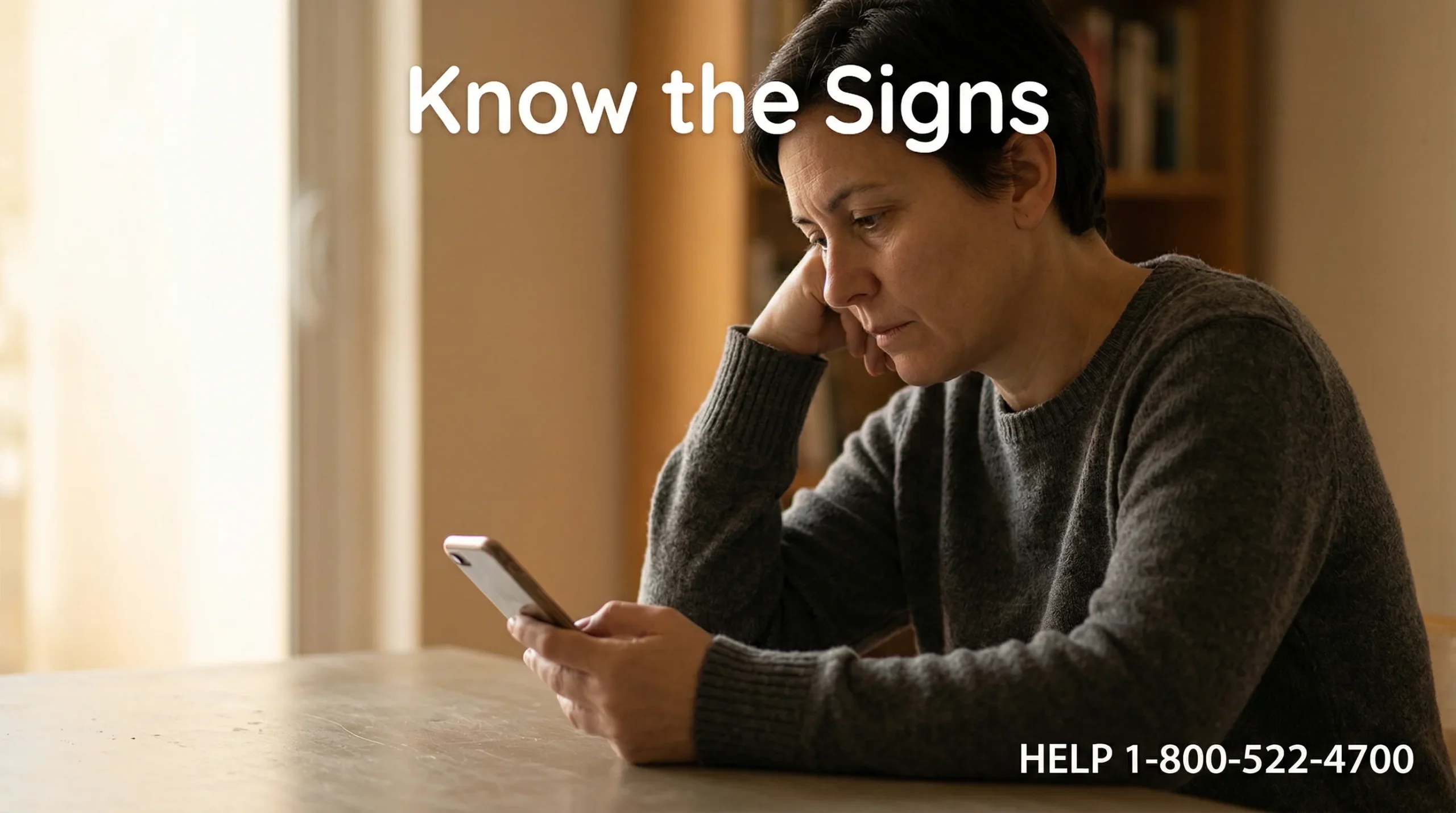
The NCPG helpline at 1-800-522-4700 provides confidential support for anyone concerned about their gambling behavior. The service covers sweepstakes casino concerns alongside traditional gambling problems. Help is available regardless of how players characterize their activity.
What the Numbers Mean for Players
NCPG survey data reveals problem gambling patterns that sweepstakes casino players should understand. Younger adults, men, and online gamblers all face elevated risk that applies to sweepstakes platform use despite the promotional framing these sites employ.
The growth in online gambling participation suggests that sweepstakes casinos operate within expanding rather than stable markets. More people gambling online means more people potentially experiencing problems, regardless of which specific platforms they use.
Personal responsibility for gambling behavior remains important, but context matters. Players who understand their demographic risk factors and recognize warning signs can make better decisions than those who assume sweepstakes casinos pose no meaningful risks. The NCPG data provides that context for anyone willing to engage with it honestly.
The research also informs policy debates about sweepstakes casino regulation. Legislators considering how to treat these platforms can reference NCPG findings about online gambling growth and youth vulnerability. The data supports arguments for consumer protection measures even as industry advocates emphasize economic benefits.
For the sweepstakes industry, NCPG statistics represent a challenge that responsible messaging cannot fully address. The underlying patterns of problem gambling connect to access and availability that the industry benefits from enabling. Acknowledging this tension is more honest than pretending sweepstakes casinos exist outside gambling’s broader social context.
Players concerned about their own behavior have resources available regardless of how they classify their sweepstakes activity. Whether the activity is legally gambling matters less for personal wellbeing than whether it causes problems in your life. The NCPG provides help without requiring any particular labeling of the behavior involved.
The policy implications of these statistics support calls for sweepstakes casino regulation. Platforms that attract demographics with elevated problem gambling rates deserve scrutiny regardless of their legal classification. The data NCPG provides informs these policy discussions with empirical grounding that theoretical arguments lack.
Players concerned about their sweepstakes casino use can access resources designed for gambling problems generally. The specific platform matters less than the behavior patterns and consequences. Seeking help requires only recognizing that a problem may exist, not resolving definitional debates about whether sweepstakes casinos constitute gambling.
See also Sweepstakes Casino Taxes.